Why Is My Plant Drooping? A Beginner’s Diagnosis
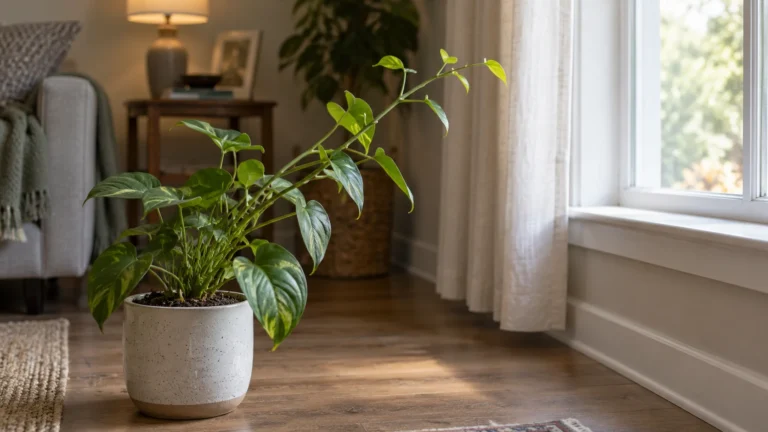
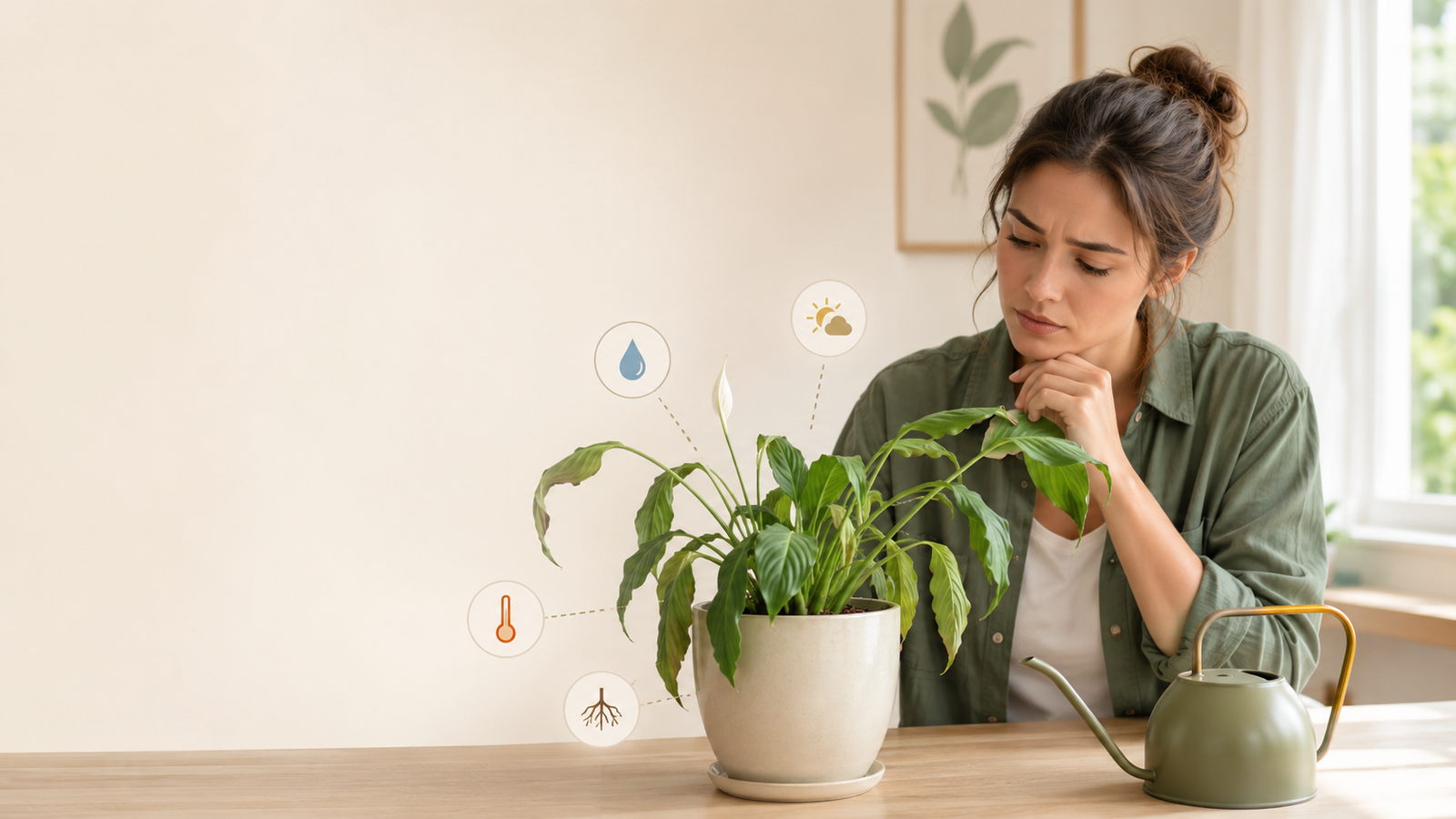
Before you water a drooping plant, put a finger in the soil. Dry soil plus drooping is thirst, and it normally reverses within hours of a thorough soak. Wet soil plus drooping is a root problem, and adding more water will make it worse. After the soil check, the second question narrows it fast: did the droop appear overnight, or has it come on over weeks? Sudden droops point to water, heat, cold or a recent move. Gradual droops point to light, roots or pot size.
Drooping is the symptom beginners react to fastest and misread most often, because the two opposite causes look identical from across the room.
Step 1: the soil check that splits the diagnosis in half
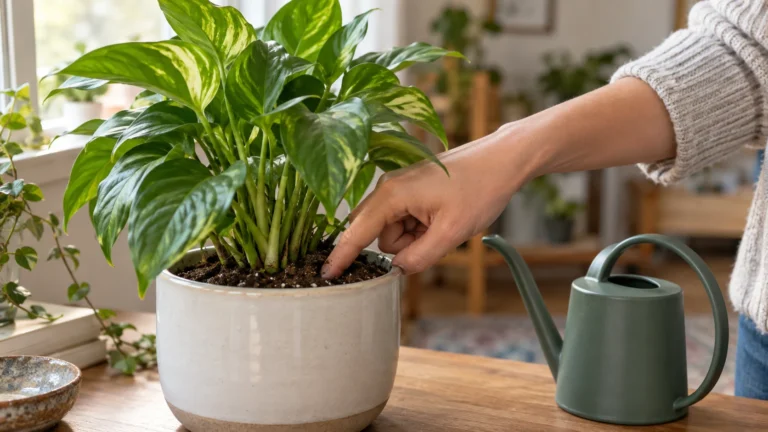
Push a finger about two inches into the soil, or use a wooden skewer if the pot is deep. That one reading divides every possible cause into two groups.
Dry at depth. The plant is short of water. Cells lose their internal pressure and the leaves and stems go soft, which is exactly what drooping is. This is the good outcome: soak the root ball until water runs out of the drainage holes, as the University of Maryland Extension recommends, let it drain, and empty the saucer. Most plants firm up within a few hours.
Damp or wet at depth. Do not water. A plant sitting in wet soil that is drooping anyway is telling you the roots cannot do their job. The University of Wisconsin-Madison Plant Disease Diagnostics Clinic describes exactly this pattern for root rot: plants wilt even though the soil is wet, and the roots themselves turn soft and brown, often with a bad odor. Watering again is the worst available move.
If you are not confident reading the soil, how to tell if your plant needs water covers the finger, lift and skewer tests and which one suits your pot size.
Step 2: did it happen overnight, or over weeks?
This is the question that gets skipped, and it does more work than any other single clue. Causes have characteristic speeds.
Overnight or within a day or two: something changed in the plant's environment or its water supply. The likely list is short, which is good news.
Gradually over two weeks or more, with the plant never quite recovering: nothing changed suddenly, which points to a condition the plant has been living with. The likely list is different, and none of it is fixed by watering.
Put the soil reading and the speed together and you usually have your answer without guessing.
| Sudden droop | Gradual droop | |
|---|---|---|
| Dry soil | Missed watering, hot spell, dry heat source nearby | Pot too small for the plant, root bound, watering too lightly each time |
| Wet soil | Cold draft or cold water shock, a recent overwatering | Root rot, pot with no drainage, pot far too large for the plant |
Sudden droop: thirst, heat, cold, or a move
Thirst. The most common and the easiest. Dry soil, floppy leaves, and rapid recovery after a proper soak. If the mix has pulled away from the sides of the pot, water slowly and in stages so it soaks in rather than running down the gap.
Heat and dry air. A warm spell, a radiator turned on, or a plant moved into afternoon sun can pull water out of the leaves faster than the roots replace it, even when the soil is still slightly damp. The plant droops in the afternoon and often recovers overnight. Move it out of the direct heat before assuming a watering problem.
A cold draft. An open window in winter, an air conditioning vent, or a spot pressed against cold glass can cause a fast, limp collapse. Cold-damaged tissue often goes dark and soft rather than dry and crisp. Move the plant away from the source.
A recent move. A plant that was just brought home, just repotted, or just shifted to a different room will often sag for a few days. This is normal adjustment. The correct response is to keep conditions steady and wait rather than to intervene.
Gradual droop: roots, light, or pot size
Root rot. The most serious of the three, and the one to rule out when the soil is wet. Signs beyond the drooping include yellowing lower leaves, a sour or swampy smell from the soil, soil that never seems to dry out, and, on inspection, roots that are brown and mushy rather than firm and pale. The Wisconsin clinic's guidance is prevention-led: do not over-water, do not let plants sit in drainage water, use a pot with drainage holes, and use a pasteurized commercial potting mix rather than garden soil. Root rot signs and how to save your plant covers what to do once you suspect it.
Too little light. A plant that is short of light gradually cannot support its own foliage. Stems stretch, new leaves come in smaller, and the whole plant looks tired and loose rather than sharply wilted. Watering does nothing for this. The fix is a brighter spot or a plant better suited to the one you have.
The pot. Two opposite pot problems both end in drooping. A root-bound plant has more foliage than its pot can supply, so it dries out within a day or two of watering and sags between waterings. A plant in a pot far too large sits in soil that stays wet for weeks, which leads back to the root problem above. Roots circling the surface or coming out of the drainage holes point to the first; soil that is still damp ten days after watering points to the second.
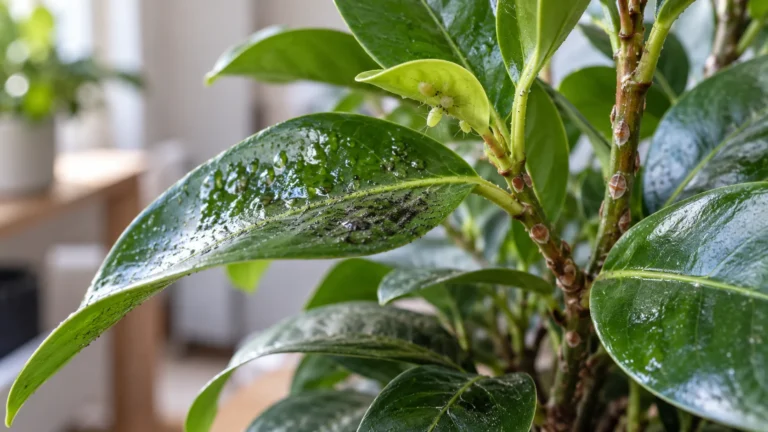
Pests. Sap-sucking insects such as aphids, spider mites, mealybugs and scale drain a plant slowly, and heavy infestations can leave foliage limp. Check the undersides of leaves and the joints where leaves meet stems.
The droop that is not a problem
Some drooping is routine, and worth knowing so you do not go looking for a fault that is not there.
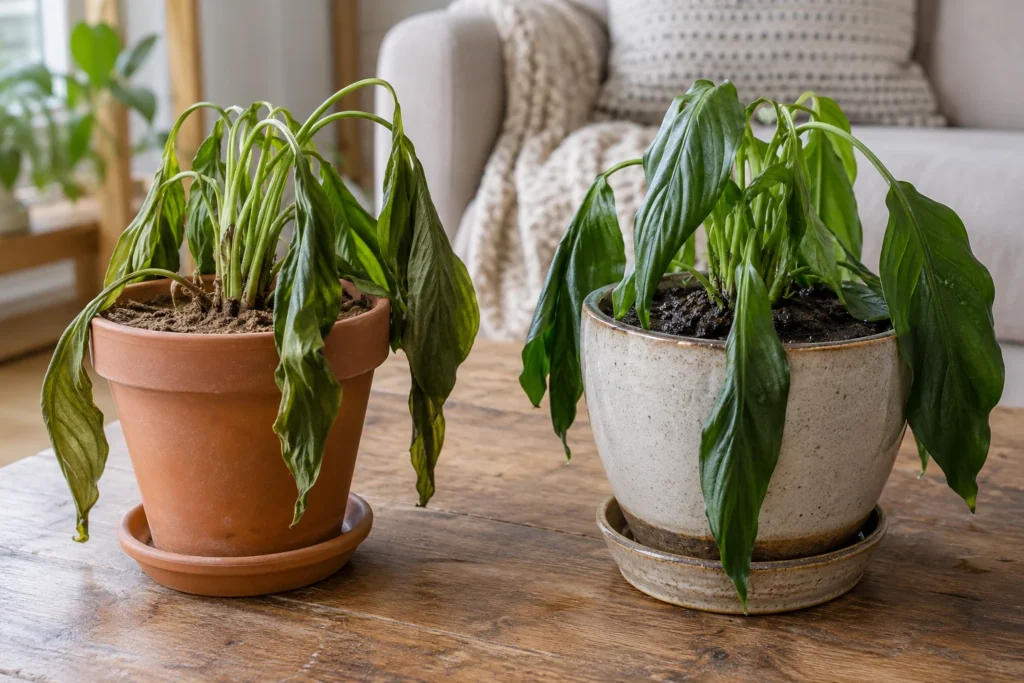
- Peace lilies droop dramatically and recover completely. It is the plant's normal way of announcing that it wants water, and a thorough soak usually returns it to upright within a few hours. Repeatedly letting it reach that point is not ideal, but a single episode is not damage.
- Many plants sag in the afternoon and firm up overnight. A daily rhythm that resolves on its own is a response to heat and light, not a watering signal.
- New plants sag for a few days after coming home. Greenhouse conditions are more humid and more consistent than a living room, and adjustment takes time.
- Freshly repotted plants sag for up to a couple of weeks. Roots disturbed by repotting take time to resume taking up water.
In all four cases, the right response is to leave the plant alone and keep conditions steady.
Drooping, wilting, curling: which one do you actually have
The words get used interchangeably, and the causes are not the same. A quick sort:
- Drooping or wilting means the leaves have gone limp and lost their firmness, but the tissue is still soft and intact. That is this page.
- Curling means the leaf is rolling or folding while staying firm. It is a different signal with a different cause list, covered in why are my plant leaves curling.
- Browning and crisping means the tissue is dead and dry. That is not a droop, and a browned leaf will not come back. Those symptoms have their own diagnosis.
If your plant shows more than one of these at once, work from the soil check outward. Watering problems sit underneath most combinations, and overwatered vs underwatered is the fastest way to settle which one you are dealing with.
The recovery clock: how long each fix takes to show
Knowing what to expect stops people from changing the treatment before it has had a chance to work. Watch, do not keep intervening.
| Cause | What you do | When you should see a change |
|---|---|---|
| Thirst | Thorough soak, empty the saucer | A few hours, usually the same day |
| Afternoon heat | Move out of direct heat or sun | Overnight |
| Cold draft | Move away from the source | Days, and damaged leaves will not recover |
| New plant settling in | Nothing, keep conditions steady | One to three weeks |
| Just repotted | Nothing, keep the soil evenly damp | One to two weeks |
| Root bound | Move up one pot size | One to two weeks |
| Too little light | Move to a brighter spot | Weeks, and it shows first in new growth |
| Root rot | Inspect roots, remove rotted tissue, repot in fresh mix, water far less | Weeks, and only if healthy root remains |
If you have made a change and nothing has moved in double the time above, the diagnosis was probably wrong. Go back to the soil check and start again rather than stacking a second change on top of the first. And when a check is genuinely ambiguous, Iowa State University Extension's advice applies: if you question whether the soil is dry, wait at least one more day.
For the whole care sequence rather than this one symptom, indoor plant care for complete beginners sets out the decisions in order, and how often to water indoor plants covers the watering rule that prevents most of these episodes.
Frequently asked questions
Should I water a drooping plant? Only after checking the soil. If it is dry two inches down, yes, water thoroughly. If it is damp or wet, do not water, because drooping in wet soil usually means the roots are damaged and cannot take up water. Adding more will make it worse.
How long does a drooping plant take to recover after watering? If thirst was the cause, most plants firm up within a few hours and look normal by the next day. If there is no change after 24 hours, thirst was probably not the reason, and the soil check should be repeated.
Why is my plant drooping even though the soil is wet? That pattern points to the roots. Root rot causes wilting even in wet soil, because rotted roots cannot take water up. The University of Wisconsin-Madison Plant Disease Diagnostics Clinic describes rotted roots as soft and brown, often with a bad odor. Check for a sour smell and inspect the root ball.
Is drooping the same as wilting? In everyday use, yes. Both describe leaves that have gone limp and lost their firmness. What matters is telling them apart from curling, where the leaf stays firm but rolls, and from browning, where the tissue is dead and dry. Those are different problems.
My peace lily droops all the time. Is something wrong? Peace lilies droop noticeably when they want water and usually recover within hours of a thorough soak, so a single episode is not damage. If it is happening every few days, the pot is likely drying out too fast, which can mean the plant has outgrown it.