Why Is My Plant Losing Leaves? Normal vs. Not
Some leaf drop is normal adjustment, especially after a move. How to tell that apart from a real problem, and the order to check causes in.
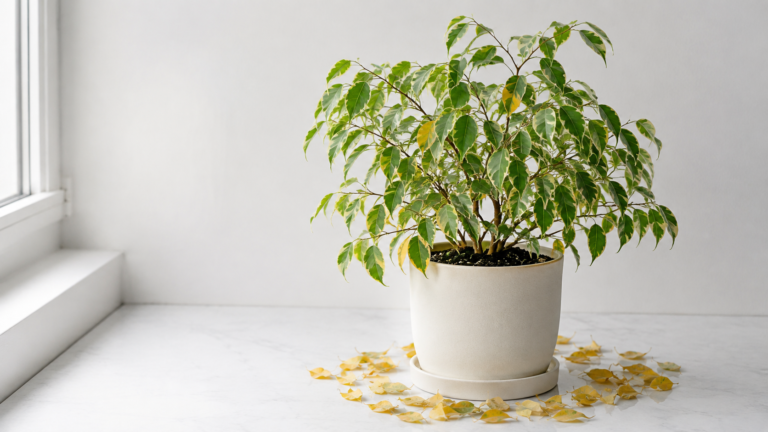
Some leaf drop is normal adjustment, especially after a move. How to tell that apart from a real problem, and the order to check causes in.
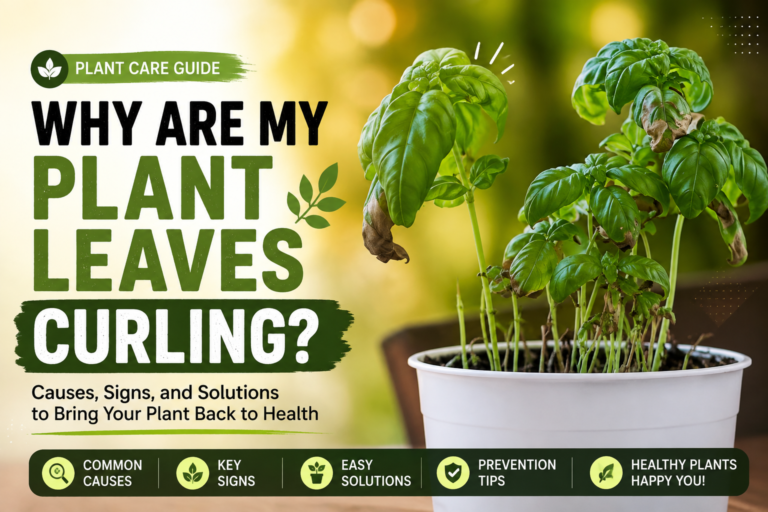
The direction a leaf curls tells you the cause: inward means thirst or dry air, downward means root trouble, upward means too much light. And it reverses.
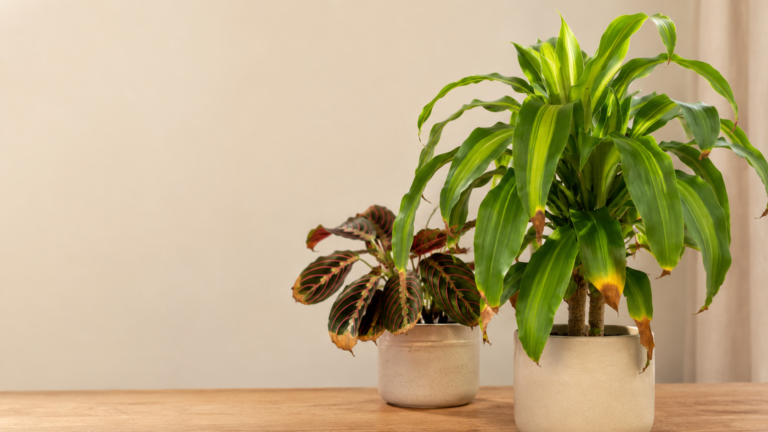
Whole leaves going brown and crisp means the leaf ran out of water, and there are two opposite reasons. Check the soil, read the pattern, fix the cause.
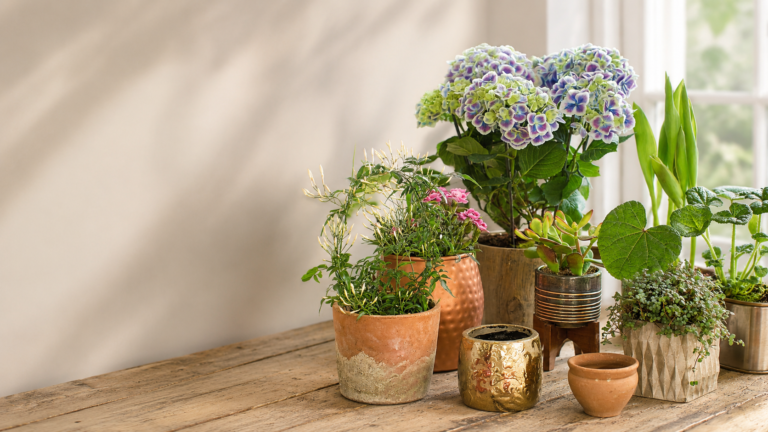
The seven beginner houseplant mistakes that actually kill plants, ranked by consequence, with the fix for each and three habits that are not mistakes.
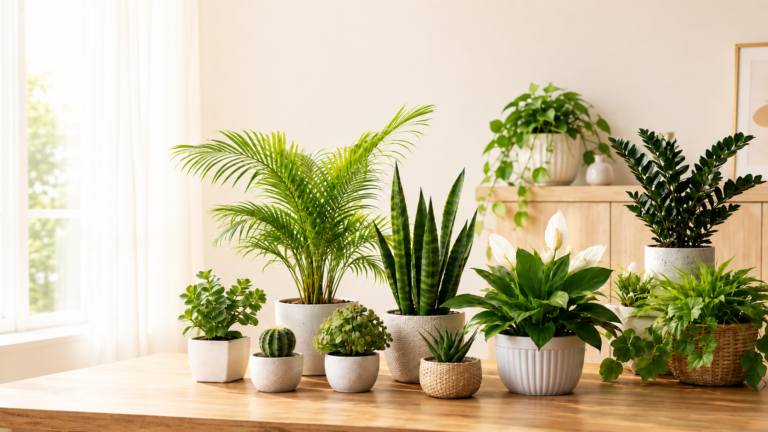
The four decisions that keep a first houseplant alive, in the order that matters: read the light, pick the plant, check drainage, then water by soil.
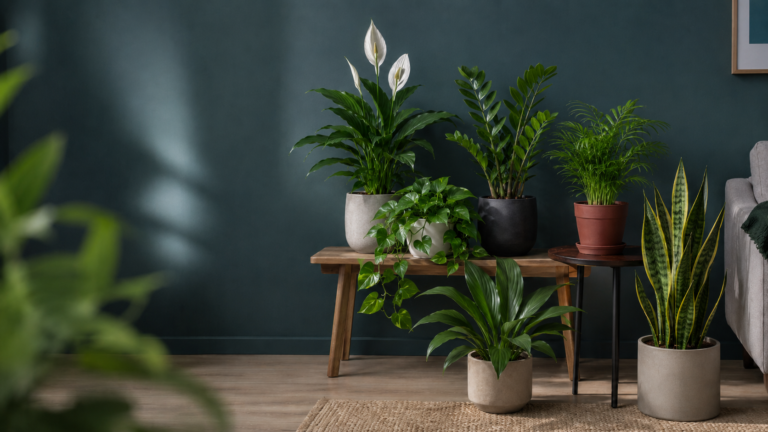
The most forgiving low-light houseplants for beginners, with honest light needs, simple care, and each plant’s ASPCA pet-toxicity status.
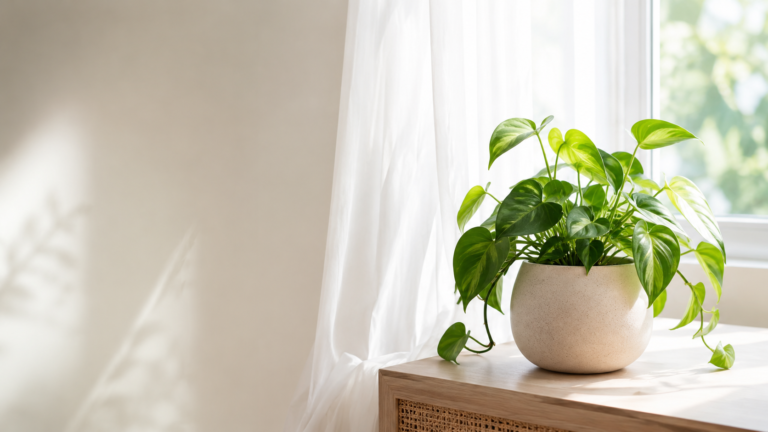
Bright indirect light means bright light with no direct sun on the leaves. Use the simple shadow test and a window-direction guide to find it at home.
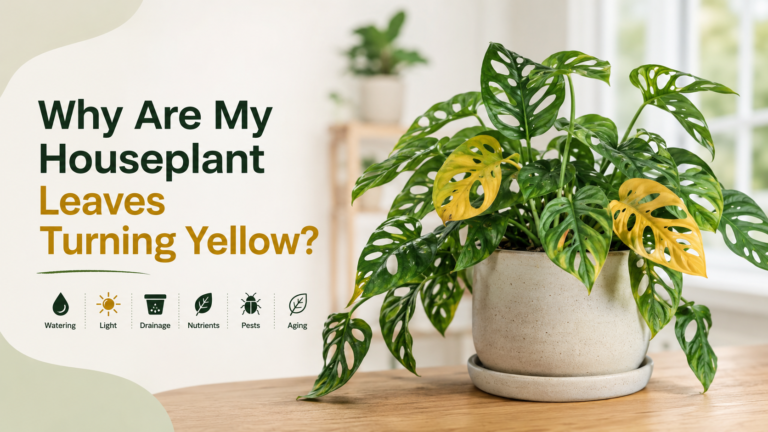
Yellow houseplant leaves usually mean one of six things. Learn to read where the yellowing is and find the real cause fast, before you make it worse.
Pale, bleached patches turning brown and brittle usually mean sunburn. Why it happens, how it differs from other brown-leaf causes, and how to fix it.
Stippled, dulled leaves or fine webbing signal spider mites on houseplants. Confirm with the tap test, rule out sunburn, then treat by the label.