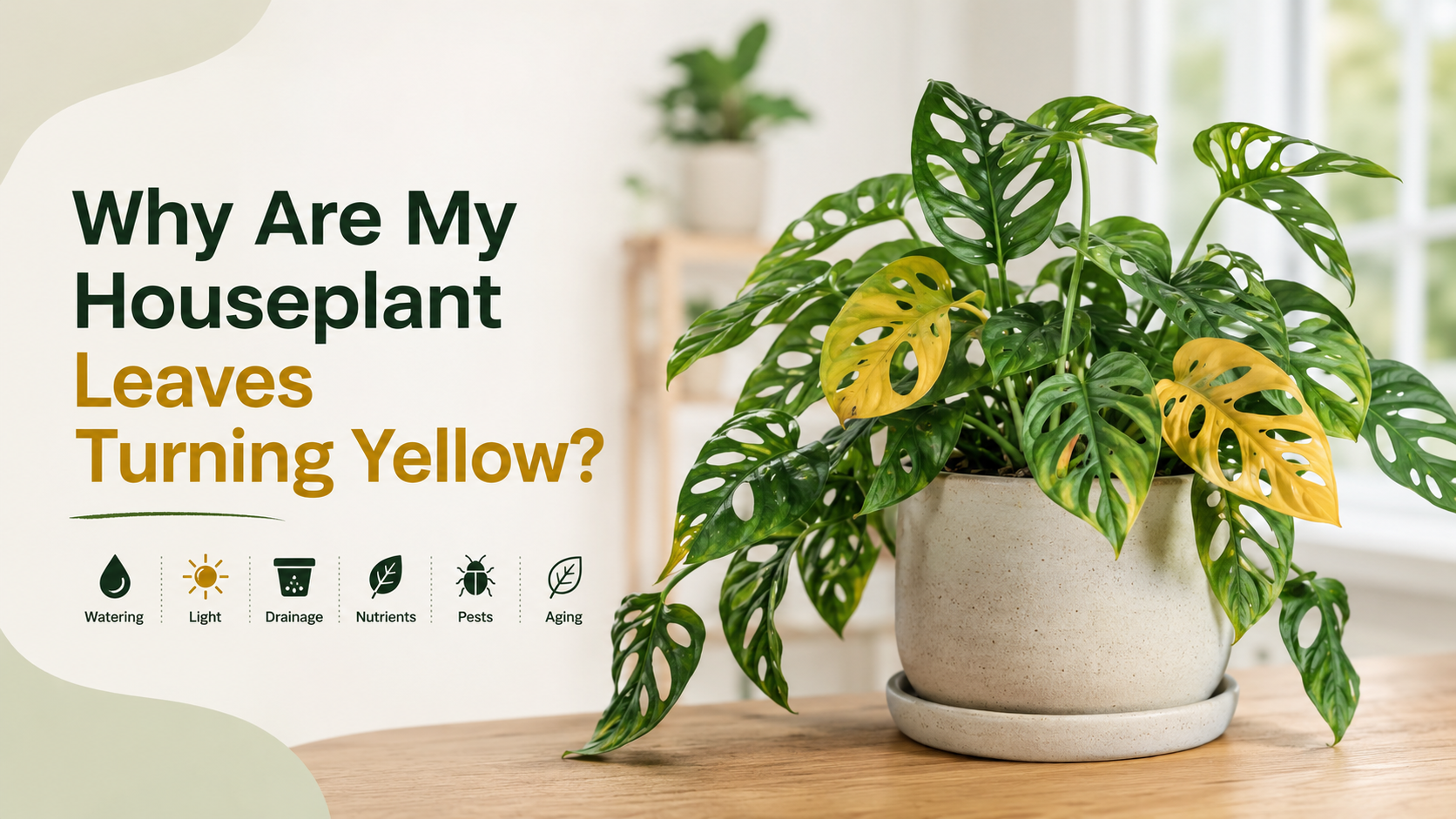
Why Are My Houseplant Leaves Turning Yellow?
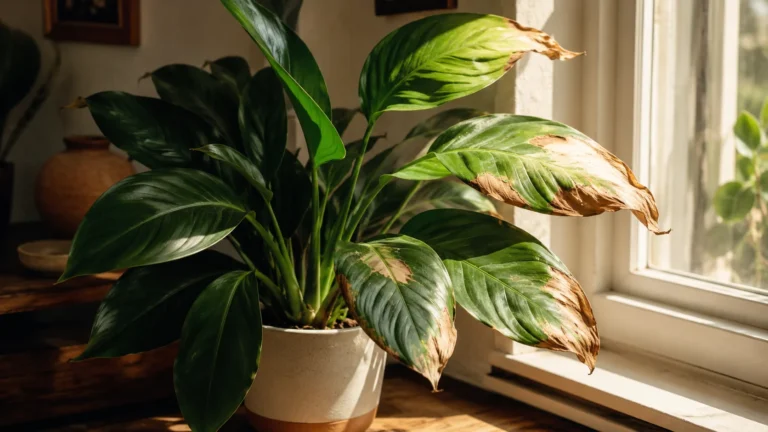
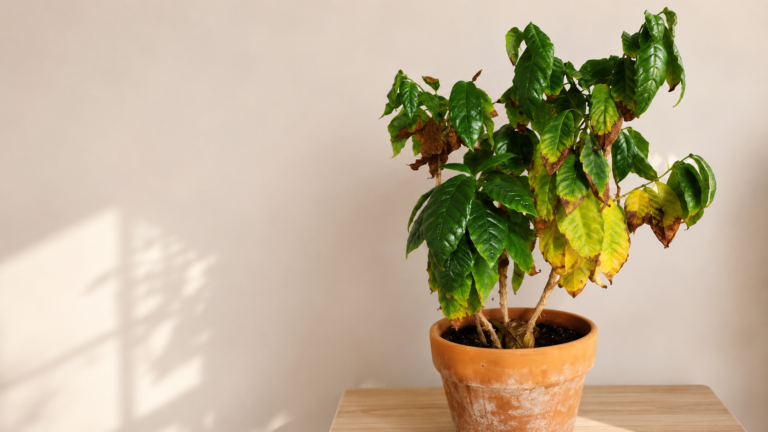
Yellow leaves usually mean one of six things: overwatering, underwatering, too little light, a cold or hot draft, pests, or normal aging. The fastest way to narrow it down is to notice where the yellowing shows up. One or two lower, older leaves yellowing slowly is often just normal aging or a small watering or light issue. New leaves yellowing, or many leaves yellowing at once, points more often to overwatering or a nutrient problem. Before you change anything, check the soil moisture first, because watering mistakes are the most common cause of yellow houseplant leaves (Iowa State University Extension).
That is the whole diagnosis in miniature. The rest of this guide walks you through how to read your specific plant, in the order that actually matters, so you fix the real problem instead of guessing.
First, take a breath: some yellow is completely normal
Beginners tend to panic at the first yellow leaf, and that panic is where most mistakes start. Here is the honest part that a lot of articles skip: plants shed their oldest, lowest leaves as a normal part of growing. If your plant is pushing out healthy new growth up top while one or two old leaves at the very bottom slowly turn yellow and eventually drop, that is usually the plant reabsorbing resources it no longer needs. You did nothing wrong.
The simple test:
- Probably normal: one or two of the oldest, lowest leaves, yellowing slowly, while the rest of the plant looks fine.
- Worth investigating: many leaves yellowing at once, new leaves yellowing, or yellowing that is spreading quickly.
Keep that filter in mind as you read on. It stops you from "treating" a plant that never needed treating, which is how a lot of healthy plants get overwatered or over-fertilized to death.
The "where is the yellowing" decision map
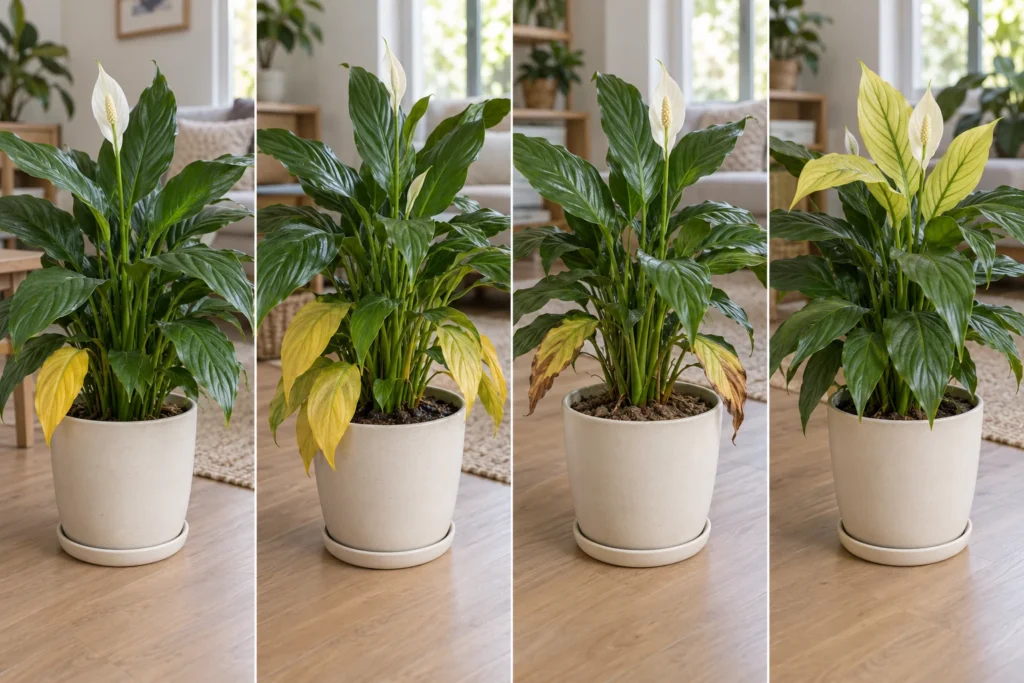
Location narrows the cause faster than any single other clue. Use this before you reach for the watering can or the fertilizer.
| Where the yellow appears | Most likely causes to check first |
|---|---|
| Lowest, oldest leaves only, slow | Normal aging, low light, or a watering issue |
| Many leaves at once, often lower and soft | Overwatering and possible root rot |
| Lower leaves, uniformly pale yellow-green | Nutrient issue (often nitrogen) or low light |
| New/top leaves yellow, green veins remain | Iron chlorosis, often linked to soil or water |
| Crispy yellow-to-brown edges, dry soil | Underwatering |
| Random yellow patches on the sunny side | Too much direct sun (leaf scorch) |
| Yellow with tiny specks, webbing, or bugs | Pests |
Now work through the causes below in order of likelihood. The common ones are far more common than the rare ones, so rule them out first.
1. Watering problems (start here, always)
Watering mistakes are the leading cause of yellow houseplant leaves, and both directions can do it (Iowa State University Extension). The good news is that your finger settles the question in seconds. Push a finger about two inches into the soil before you diagnose anything else.
Overwatering is the more common beginner mistake. Waterlogged soil starves the roots of oxygen and can lead to root rot, and the plant answers with yellowing leaves. The tells:
- Soil is wet or soggy, sometimes with a musty smell or green film on top.
- Yellowing leaves feel soft, limp, or slightly mushy rather than crisp.
- Yellowing often hits several leaves, frequently lower ones, around the same time.
The fix is patience, not more attention. Stop watering, move the plant somewhere with decent airflow, and let the soil dry out before you water again. Make sure the pot actually drains and that the plant is not sitting in a saucer of standing water. If the roots are dark, soft, and smell bad, that is root rot, and the plant needs to be unpotted, trimmed of dead roots, and repotted into fresh, well-draining soil.
Underwatering looks different once you know the pattern:
- Soil is bone-dry and may pull away from the sides of the pot.
- Yellowing leaves turn crisp and brown at the edges, often quickly.
- The plant may droop or feel limp overall.
The fix is a thorough soak until water runs out the drainage holes, then a more consistent routine. If you are not sure how often that should be, the honest answer is that no fixed schedule works for every plant. Water based on how dry the soil is, not on the calendar. Our guide on how often to water indoor plants walks through the finger test in detail, and telling an overwatered plant from an underwatered one covers the leaf-feel differences side by side.
2. Too little light
Light is the second suspect, and it produces a signature pattern: the lower and inner leaves yellow and drop first. When a plant is not getting enough light, it cannot support all of its foliage, so it sacrifices the shaded lower leaves to keep the newer growth going. A sudden change in light levels, such as moving a plant to a darker corner, can trigger the same response (Iowa State University Extension).
The tell is context. If the plant sits well back from any window or in a dim room, and the yellowing starts low and works up, light is a strong candidate. Move it closer to a window with steady, bright but indirect light and watch the new growth. If you are unsure what "bright indirect" actually means in a normal home, our explainer on bright indirect light breaks it down without the jargon.
3. Too much direct sun
The opposite problem is less common indoors but real. Harsh, direct sun through glass can bleach or scorch leaves, showing up as random pale-yellow or washed-out patches on the side facing the window, sometimes with dry brown spots. If a plant that was fine suddenly develops yellow blotches after you moved it into a hot, sunny window, pull it back a few feet or add a sheer curtain to soften the light.
4. Cold or hot drafts
Houseplants are more sensitive to temperature swings than beginners expect. Blasts of cold or warm air from doors, windows, heating vents, or air conditioners can cause leaves to yellow and drop (Iowa State University Extension). This one is easy to miss because the cause is invisible.
The tell is location. If the affected plant sits near an exterior door, a drafty window in winter, or directly in the path of a vent, move it and see if the yellowing stops on the new growth. Most houseplants are happiest in steady, ordinary room temperatures, away from sudden hot or cold air.
5. Pests
Before you blame nutrients, rule out bugs. Sap-sucking pests stress a plant and can cause stippled, yellowing, or speckled leaves. The most common houseplant offenders are aphids, spider mites, mealybugs, and scale.
What to look for:
- Fine webbing on the undersides of leaves or where leaves meet stems (spider mites).
- Small cottony white clusters in leaf joints (mealybugs).
- Tiny bumps stuck to stems and leaf undersides that do not brush off easily (scale).
- Clusters of small soft insects on new growth, sometimes with sticky residue (aphids).
Check both sides of the leaves, especially the undersides, in good light. If you find pests, isolate the plant from your others and treat it before the problem spreads. Catching an infestation early is far easier than clearing an established one.
6. Nutrient deficiency (usually last to suspect)
This is the one beginners reach for first and should reach for last. Reaching for fertilizer when the real problem is overwatering makes things worse, because stressed or rotting roots cannot take up nutrients anyway, and you are adding salts to soil that is already struggling. Rule out watering, light, drafts, and pests before you consider feeding.
That said, genuine deficiencies do happen, and the pattern helps identify them:
- Nitrogen: older, lower leaves turn a uniform pale green to yellow, because the plant moves this mobile nutrient up to feed new growth (University of Maryland Extension).
- Iron chlorosis: newer, upper leaves yellow while the veins stay green. This is the most common nutrient deficiency in houseplants and is often tied to soil pH or watering rather than a true lack of iron (University of Maryland Extension).
If the plant is otherwise well cared for and simply has not been fed during active growth, a balanced houseplant fertilizer used at the label rate during spring and summer is a reasonable step. When in doubt, feed less rather than more. Keep in mind that many houseplant problems come from several factors at once, so it is worth checking all the likely causes rather than fixating on a single one (Iowa State University Extension).
Putting it together: rule out in this order
- Check the soil. Wet and soggy points to overwatering; bone-dry points to underwatering. This resolves most cases.
- Look at the light. Dim spot with lower leaves dropping first suggests too little light; scorched patches on the window side suggest too much.
- Check for drafts. Near a door, drafty window, or vent? Move it.
- Inspect for pests. Both sides of the leaves, in good light.
- Consider nutrients last, and only if the plant is otherwise well cared for.
- And remember: one or two slow-yellowing bottom leaves on an otherwise healthy plant is normal aging, not an emergency.
Work top to bottom and you will usually land on the real cause without turning a small issue into a big one.
FAQ
Should I cut off yellow leaves? Once a leaf has turned fully yellow it will not turn green again, so you can remove it to tidy the plant and let it focus energy on healthy growth. Remove it gently, and more importantly, fix the underlying cause so new leaves do not follow.
Can an overwatered plant recover? Often yes, if you catch it before serious root rot sets in. Stop watering, let the soil dry, improve drainage and airflow, and only water again when the soil has dried out. If the roots are already dark, soft, and foul-smelling, you will need to unpot, trim the rotten roots, and repot in fresh soil.
Why is only one bottom leaf turning yellow? That is frequently normal aging. Plants shed their oldest, lowest leaves as they grow. If the rest of the plant looks healthy and is producing new growth, a single slow-yellowing bottom leaf is usually nothing to worry about.
Do yellow leaves always mean overwatering? No. Overwatering is the most common cause, but underwatering, low light, too much direct sun, drafts, pests, nutrient deficiency, and normal aging can all cause yellowing. Reading where the yellowing appears is what tells them apart.
Should I fertilize a plant with yellow leaves? Not until you have ruled out watering, light, drafts, and pests. If the real problem is overwatering, fertilizing makes it worse. Only feed a plant that is otherwise well cared for and simply overdue for feeding during its active growing season.
Care guidance on this page reflects horticulture guidance from university extension services, including Iowa State University Extension (Yard and Garden) and University of Maryland Extension, as reported by those sources.