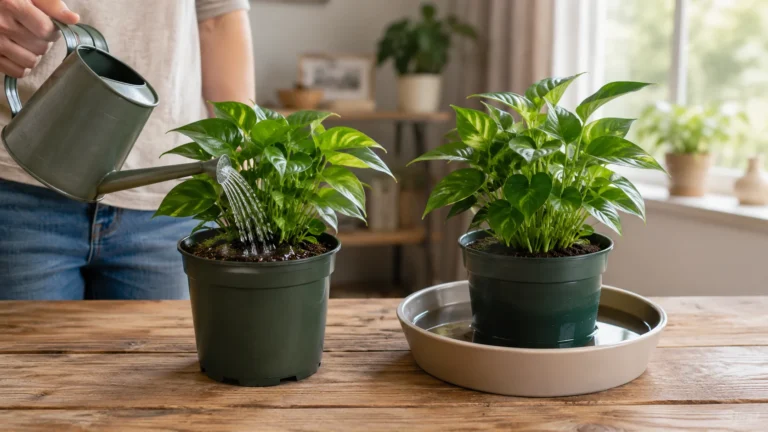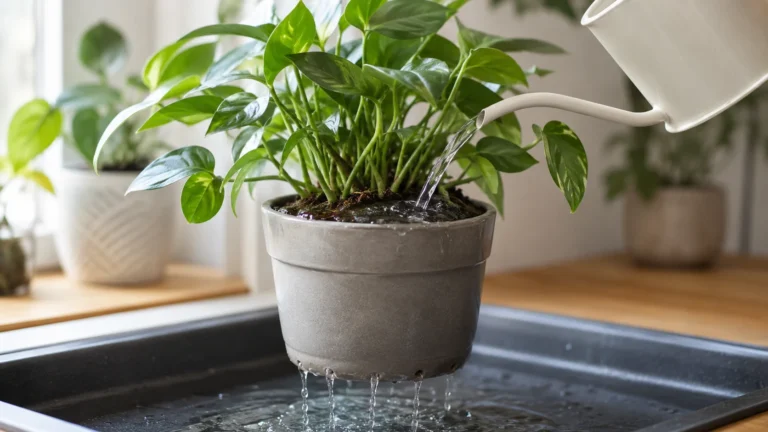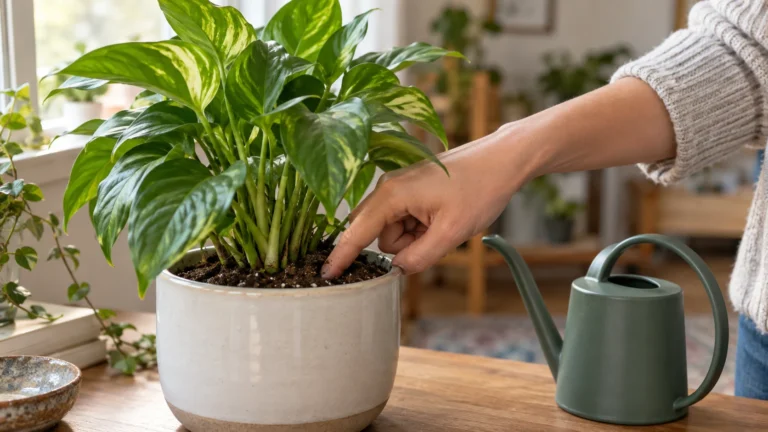
How to Choose an Indoor Plant Watering Can Without Overbuying
Buying a watering can sounds simple until you start comparing sizes, spouts, materials, handles, and decorative designs.
For indoor plants, the most attractive or largest option is not always the easiest to use. A heavy can may be difficult to control. A wide spout may splash water outside small pots. A very long spout may also be awkward to store.
The goal is not to find the fanciest watering can. It is to choose one that fits your plants, your hands, and your available space.
A good indoor plant watering can should be easy to lift, simple to control, and small enough to store. Focus on capacity, spout shape, balance, and grip before appearance. Choose the smallest size that comfortably waters your plant collection, and skip extra features you are unlikely to use.
Do You Need a Special Watering Can for Indoor Plants?
A dedicated watering can is helpful, but it is not essential for every beginner.
You may find one useful when:
- You have several plants to water.
- Leaves make it difficult to reach the soil.
- Your current container pours too quickly.
- Water regularly spills over the sides of small pots.
- You want to keep a clean watering tool near your plants.
You may not need to buy one when you have only one or two small plants and already own a cup, bottle, or pitcher that pours slowly and accurately.
The container matters less than your ability to direct water toward the potting mix without flooding the pot.
Start With the Right Capacity
Capacity is the amount of water a watering can holds.
A large capacity may sound convenient because it reduces refilling. However, a large can also becomes heavier when full. That extra weight can make it harder to pour slowly into small indoor pots.
Consider these questions:
- How many plants do you normally water at one time?
- Are most of your pots small, medium, or large?
- How far must you carry the water?
- Would you rather refill once or carry a heavier container?
- Where will you store the can?
For a small plant collection, a compact can is often easier to manage. A larger collection may justify more capacity, but the can should still feel balanced when full.
A simple test can help. Fill a household container with approximately the amount of water you expect to carry. Lift it with one hand and slowly tip it as though you were watering a plant. If that feels uncomfortable, choose a smaller watering can.
Choose a Spout That Matches Your Plants
The spout controls where the water goes and how quickly it reaches the pot.
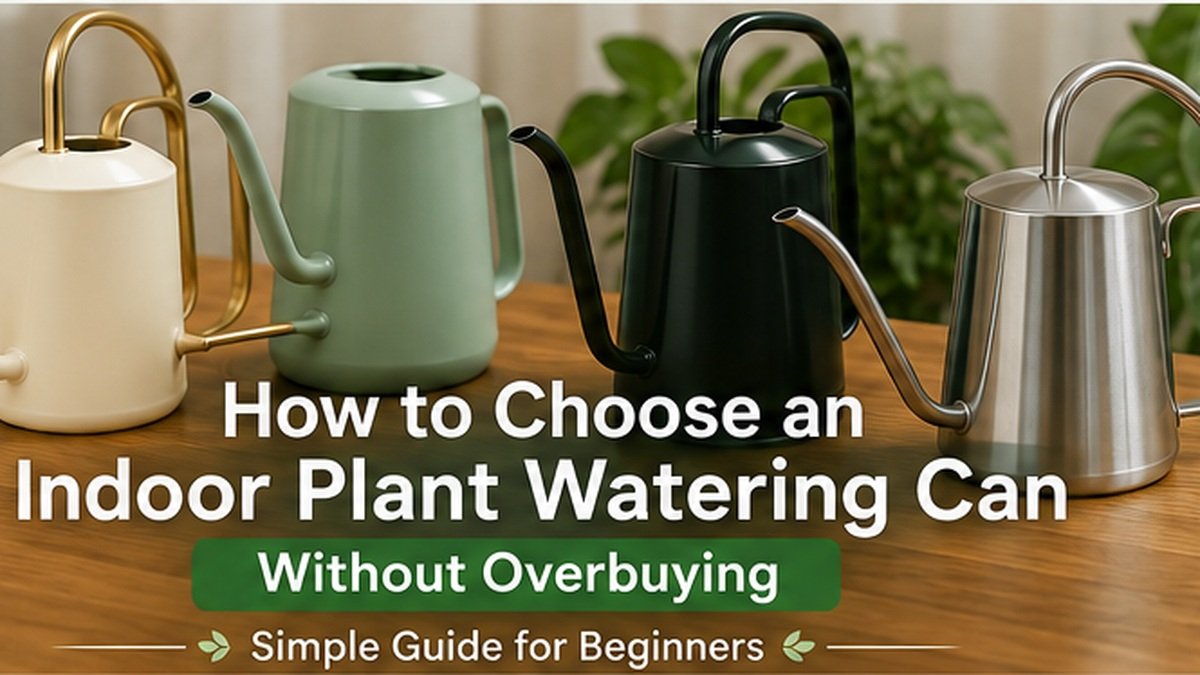
Long, narrow spout
A long spout can help you:
- Reach the soil beneath wide or crowded leaves.
- Water plants placed behind other pots.
- Direct water into small spaces.
- Keep more water away from shelves and nearby furniture.
This design is often practical for plants grouped closely together.
However, a very long spout may require extra storage space. It can also feel unbalanced if the watering can is poorly designed.
Short or wide spout
A short, wide spout usually releases water faster.
That may be convenient for larger pots, but it can be difficult to control around seedlings, small plants, or narrow containers. Water may splash the potting mix or run over the rim if you tip the can too quickly.
Before choosing, look at your plants rather than the product alone. A long, narrow spout is useful when access is difficult. A shorter spout can work when pots are open, large, and easy to reach.
Pay Attention to Pour Control
Pour control is your ability to start, slow, and stop the water without a sudden gush.
This matters because many indoor pots are relatively small. Water that comes out too quickly may:
- Disturb the top layer of potting mix.
- Splash dirt onto leaves or furniture.
- Miss the pot.
- Collect in one area before spreading through the mix.
- Make careful watering more difficult.
A narrow opening generally makes slow pouring easier, but spout shape is only part of the design. The handle, balance, and air movement inside the can also affect the flow.
When comparing options in person, imagine tipping the can when it is full. Check whether your wrist can control the angle comfortably.
A watering can does not prevent overwatering by itself. Overwatering is usually related to how often you water, the condition of the potting mix, drainage, and the needs of the plant. A controlled spout simply makes it easier to place the water where you want it.
Plastic or Metal: Which Material Is Better?
Both materials can work well for indoor plants.
| Factor | Plastic watering can | Metal watering can |
|---|---|---|
| Empty weight | Usually lighter | Often heavier |
| Handling | Easy for many beginners | Depends on size and balance |
| Durability | Can crack if damaged | Can dent or develop surface wear |
| Rust concern | Does not rust | Depends on the metal and coating |
| Appearance | Many simple designs | Often chosen for decorative style |
| Cost | Often available in basic options | Decorative options may cost more |
Plastic can be practical when low weight and simple handling are priorities.
Metal can also be useful, but do not choose it only because it looks more durable. Check the weight, handle comfort, finish, and cleaning instructions.
For most beginners, material is less important than controlled pouring and comfortable handling.
Check the Handle and Balance
A watering can may feel fine when empty but awkward when filled.
Look for a handle that:
- Fits your hand comfortably.
- Does not have sharp edges.
- Allows you to tilt the can gradually.
- Feels balanced as the water level changes.
- Leaves enough space for your fingers.
- Works with your preferred one-handed or two-handed grip.
Balance is especially important with a long spout. If too much weight pulls toward the front, your wrist may tire before you finish watering.
You should also check whether the handle blocks the filling opening. A decorative handle position may make it difficult to place the can beneath a tap or pour water into it from another container.
Make Sure It Is Easy to Fill
Before buying, think about where the water will come from.
A large watering can may not fit beneath a shallow sink tap. A small opening may also be inconvenient to fill or clean.
Check:
- The height beneath your tap.
- The width of the filling opening.
- Whether the handle gets in the way.
- Whether the can can sit steadily in the sink.
- Whether you can fill it without splashing nearby surfaces.
A watering can that is easy to fill will usually be used more consistently than one that requires awkward positioning.
Think About Storage
Indoor watering tools need a practical storage place.
A long spout may not fit inside a small cabinet. A tall handle may prevent the can from fitting on a shelf. Decorative cans may also take up more space than their water capacity suggests.
Measure or inspect your intended storage space before buying.
Possible storage locations include:
- Beneath a sink.
- On a plant shelf.
- Inside a utility cabinet.
- Near a water source.
- On a washable tray beside your plants.
Store the can where it is easy to reach but unlikely to be knocked over.
Choose a Design That Is Easy to Clean
A watering can should be simple to rinse.
Wide openings are generally easier to clean because you can see inside and reach more of the interior. Narrow openings may trap debris or make it difficult to check whether residue remains.
Basic care includes:
- Emptying unused water after watering.
- Rinsing the can periodically.
- Allowing it to dry when possible.
- Checking the spout for debris.
- Following the manufacturer’s care instructions for the material.
Leaving water inside for long periods can make the can heavier to move and may allow residue to build up. Emptying it also reduces the risk of an accidental spill.
Avoid These Common Beginner Mistakes
Buying based only on appearance
A watering can can look attractive but still be uncomfortable, poorly balanced, or difficult to fill.
Choosing more capacity than you need
A larger can carries more water, but it also carries more weight. Refilling a smaller can may be easier than struggling with a heavy one.
Ignoring the weight when full
Do not judge comfort only while the can is empty. Think about the combined weight of the container and water.
Choosing a spout that is too wide
A fast flow can be difficult to direct into small pots.
Forgetting about storage
Long spouts, tall handles, and unusual shapes may not fit your available space.
Paying for unnecessary extras
Sprinkler attachments, unusual finishes, or decorative features may not improve ordinary indoor watering. Buy them only when they solve a real need.
Assuming the tool controls watering frequency
A good watering can helps deliver water. It does not tell you when the plant needs water.
A Simple Watering Can Checklist
Before buying, confirm that the watering can:
- Feels comfortable to lift.
- Remains balanced when tilted.
- Has enough capacity without becoming too heavy.
- Directs water toward the potting mix.
- Pours slowly enough for your smallest pots.
- Fits beneath your tap.
- Is easy to rinse.
- Fits your storage space.
- Has no features you are unlikely to use.
- Matches the number and placement of your plants.
The best choice is usually the simplest option that meets these needs.
When You May Not Need to Buy One
A watering can is optional.
Continue using an existing container when it:
- Holds enough water for your plants.
- Pours without sudden splashing.
- Reaches the potting mix.
- Is comfortable to lift.
- Is used only for clean plant-watering purposes.
This can be a sensible approach when you are new to indoor plants and still deciding which tools are genuinely useful.
You can always buy a watering can later if your plant collection grows or your current container becomes inconvenient.
Related Topics to Explore
After choosing a watering container, beginners may also benefit from learning about:
- How to create an indoor plant watering schedule.
- How to check potting mix before watering.
- How to use a soil moisture meter.
- How drainage holes affect watering.
- Common signs of overwatering.
These topics are more important to plant health than the appearance or price of the watering can.
Frequently Asked Questions
What size watering can is best for indoor plants?
Choose the smallest capacity that can water most of your plants without becoming uncomfortable to carry. Small collections usually need less capacity, while larger collections may justify a bigger can. Comfort and pour control matter more than choosing the largest available size.
Is a long spout better for houseplants?
A long spout is helpful when you need to reach beneath leaves or between closely grouped pots. It is not automatically better for every plant. Open, easy-to-reach pots may work well with a shorter spout that still provides controlled flow.
Are metal watering cans better than plastic ones?
Not necessarily. Plastic cans are often lighter, while metal cans may feel heavier and require different care. Compare the handle, balance, spout, weight, and cleaning needs rather than choosing by material alone.
Can I use a normal bottle to water indoor plants?
Yes, provided the bottle is clean and allows you to pour slowly toward the potting mix. A bottle may be enough for one or two small plants. Stop using it if the opening causes splashing or makes water difficult to control.
Should I leave water inside the watering can?
It is generally more practical to empty unused water and rinse the can when needed. This makes storage safer, reduces accidental spills, and helps prevent residue from collecting inside.
Does a watering can prevent overwatering?
No. It only helps you direct the flow. Overwatering is more closely connected to watering frequency, pot drainage, potting mix, and the individual plant’s needs.
Final Takeaway
Choose an indoor plant watering can for control and comfort, not for size or decoration alone.
Start with your plant collection. Check how much water you need, how easily you can reach the soil, how much weight you can carry, and where the can will be stored.
Then use the checklist before buying. A simple, comfortable watering can is usually more useful than an oversized option filled with features you do not need.