Terracotta vs Plastic vs Ceramic Pots for Houseplants
Terracotta vs plastic pots comes down to one difference: unglazed terracotta loses water through its walls, so the mix inside dries faster, while plastic and glazed ceramic lose water only from the surface and the drainage hole, so the mix stays moist longer. Virginia Cooperative Extension's publication on properly watering container houseplants (read September 11, 2026) says that faster drying can be a disadvantage for moisture-loving plants and an advantage for arid plants such as cacti and succulents. Neither material is better in general. Each is a setting, and the right one depends on the plant and on how you water.
The One Difference That Matters
Pot material changes a lot of small things, weight, price, looks, how it survives a drop. It changes one big thing: how fast the mix dries out.
Virginia Cooperative Extension spells out the mechanism for each material:
- Terracotta is clay fired at low heat and left unglazed, which means moisture can evaporate through the walls of the pot.
- Plastic is nonporous, so water leaves only through the drainage holes and the surface of the potting mix.
- Glazed clay is fired at higher temperatures and coated, which makes it nonporous. The same publication notes that mix in glazed pots holds water longer, which can suit plants that want a more hydrated root zone.
That third line is the one most comparisons skip. A glazed ceramic pot behaves like plastic, not like terracotta. It is clay, but the glaze seals it. If you choose a glazed pot expecting the drying effect of terracotta, you will get the watering behavior of plastic in a heavier, prettier package.
Side by Side
| Unglazed terracotta | Plastic | Glazed ceramic | |
|---|---|---|---|
| Walls breathe? | Yes, water evaporates through them | No | No, the glaze seals them |
| How fast the mix dries | Fastest | Slower | Slower, similar to plastic |
| Weight | Heavy | Light | Heavy |
| Durability | Chips and cracks if dropped | Survives drops; can get brittle over years in sun | Chips and cracks if dropped |
| Best match | Plants that must dry out; people who water generously | Moisture-loving plants; people who water sparingly; hanging pots | Moisture-loving plants when you want a heavier, decorative pot |
| Main risk | Drying out too fast for thirsty plants | Staying wet too long for drought-tolerant plants | Same as plastic, plus weight |
Choose by Your Watering Habit, Not Only the Plant
Most advice matches pot to plant. That is half the decision. The other half is you.
If you tend to water often, or you worry about underwatering, terracotta works in your favor. It pulls the mix toward dry between your waterings and gives you a margin against the most common way houseplants die. If that describes you, overwatered vs underwatered: how to tell is worth a read too.
If you tend to forget, travel often or water sparingly, plastic or glazed ceramic works in your favor. The mix holds its moisture longer, so a missed week hurts less.
If your habit and your plant disagree, let the pot close the gap. A snake plant owned by an enthusiastic waterer belongs in terracotta. A fern owned by a forgetful one belongs in plastic or glazed ceramic.
Whichever you choose, the pot changes how fast the mix dries. It does not tell you when to water. Checking the soil first, as described in how often to water indoor plants, still applies in every material.
Matching Pots to Common Houseplants
| Plant group | Suggested material | Why |
|---|---|---|
| Succulents, cacti, snake plant, ZZ plant | Terracotta | Faster drying is the point; Virginia Tech names arid plants as the group that benefits |
| Pothos, philodendron, most easy foliage | Any | Tolerant of a wide range; choose by your habit |
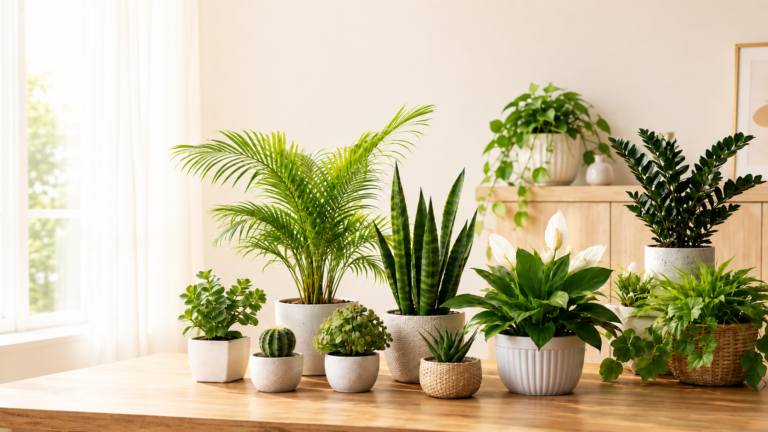
| Ferns, calatheas, peace lily | Plastic or glazed ceramic | Longer moisture suits plants that dislike drying out completely |
| Hanging plants | Plastic | Lighter to hang and lift; slower drying helps in warm air near the ceiling. See how to water a hanging plant |
| Top-heavy or tall plants | Terracotta or glazed ceramic | Extra weight helps keep them from tipping |
The Double-Pot Catch
Here is a situation that quietly cancels the main reason for choosing terracotta.
Many people keep a plant in a plain terracotta pot and set it inside a glazed decorative pot, or cachepot. That is a sensible way to use a pot with no drainage hole, and the University of Wisconsin-Madison Division of Extension describes the approach in Healthy Roots, Healthy Houseplants (read September 11, 2026): the plant is rooted in a liner pot with drainage holes, placed inside a decorative container, watered so water drains out of the liner, and never left sitting in standing water.
But terracotta dries the mix by letting water evaporate from its outer surface into the room. Enclose that surface inside another pot and much of the evaporation has nowhere to go. The terracotta pot behaves far more like plastic than it would standing in open air.
That is not a reason to avoid double potting. It is a reason not to count on terracotta's drying effect when the terracotta is hidden inside something else.
Pot Shape and Size Change Drying Too
Material is not the only dial. Virginia Cooperative Extension also notes that small containers dry faster than large ones, and that taller containers drain more than shorter ones, with the upper few inches drying faster in a tall pot.
So a small terracotta pot is the fastest-drying combination you can pick, and a large, short glazed bowl is one of the slowest. If a plant is struggling in a pot of the "right" material, look at size and shape before blaming the material.
Honest Downsides of Each
Terracotta is heavy, breaks when dropped, and can dry thirsty plants out faster than you expect, especially in warm rooms. It also moves more water out of the pot, which means more frequent refills.
Plastic is the easiest material to overwater in, because the mix stays wet longest and nothing about the pot warns you. It can look less appealing, and plastic left in strong sun can become brittle over time.
Glazed ceramic is heavy, costs more to replace if it breaks, and many decorative glazed pots are sold without a drainage hole. Arkansas Cooperative Extension's repotting guidance (read September 11, 2026) makes the rule clear: nearly any material works, but the container must have a drainage hole at the bottom.
If what you actually want is a pot that manages moisture for you, that is a different design entirely, and self-watering pots: honest pros and cons covers what it suits and what it harms.
Frequently Asked Questions
Is terracotta or plastic better for beginners?
It depends on the beginner. If you tend to overwater, terracotta gives you more margin. If you tend to forget, plastic is more forgiving. Most beginners overwater, which is why terracotta is often suggested first.
Is ceramic the same as terracotta?
No. Terracotta is unglazed and porous. Glazed ceramic is sealed, and Virginia Cooperative Extension notes that mix in a glazed pot holds water longer, so it behaves more like plastic.
Do plants grow better in terracotta?
Not automatically. Terracotta helps plants that need to dry out, and it can work against plants that like steady moisture. The best material is the one that makes the mix dry on a schedule that suits the plant.
Can I move a plant from plastic to terracotta?
Yes, but expect the mix to dry faster afterward. Check the soil more often for the first few weeks until you learn the new rhythm, rather than keeping the old watering schedule.