Signs Plant Needs More Humidity: What to Check Now
The clearest signs plant needs more humidity are brown, dry, brittle tips and leaf edges, especially on thin-leaved tropical plants, often showing up after the heating comes on. Curling or shriveling edges and new leaves that emerge crispy can point the same way. But here is the catch most guides skip: watering problems, fertilizer buildup and water quality can all cause the same brown tips. So before you buy a humidifier, rule those out, look at the pattern across your plants, and confirm the air is actually dry with a simple hygrometer reading. This guide walks you through that check step by step.
Why Dry Air Shows Up on the Leaves First
Leaves are where a plant loses water. Tiny pores on the leaf surface release moisture into the air, and the roots have to keep pulling water up to replace it. When the air around the plant is very dry, the leaves lose water faster. The parts of the leaf farthest from the water supply, the tips and edges, are the first to run short. That is why humidity stress so often starts at the margins and works inward.
Plants from humid tropical forests tend to struggle the most indoors. The University of New Hampshire Extension, in an article published January 15, 2025 (read September 25, 2026), says most houseplants prefer a relative humidity of 40 to 60 percent, while tropical species do best at 70 to 80 percent. It also notes that cacti and succulents tolerate lower humidity. Keep that difference in mind as you read the signs below: the same dry room can leave a snake plant untouched and turn a fern crispy.
The Main Signs Plant Needs More Humidity
1. Brown, dry tips and edges
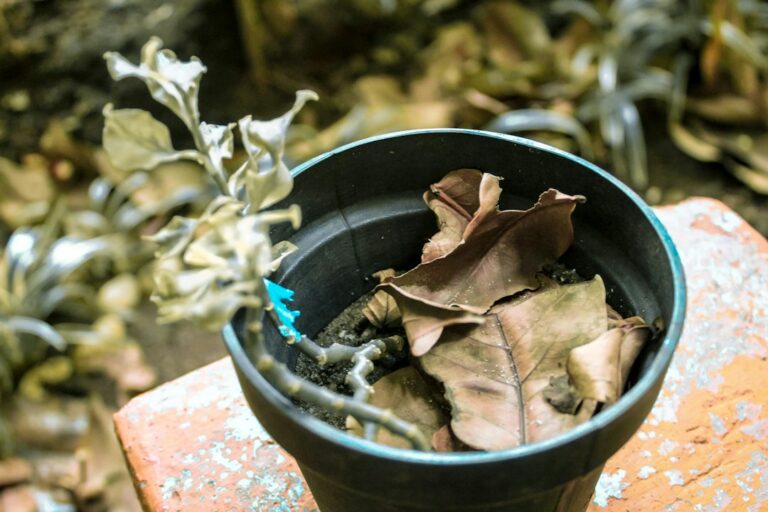
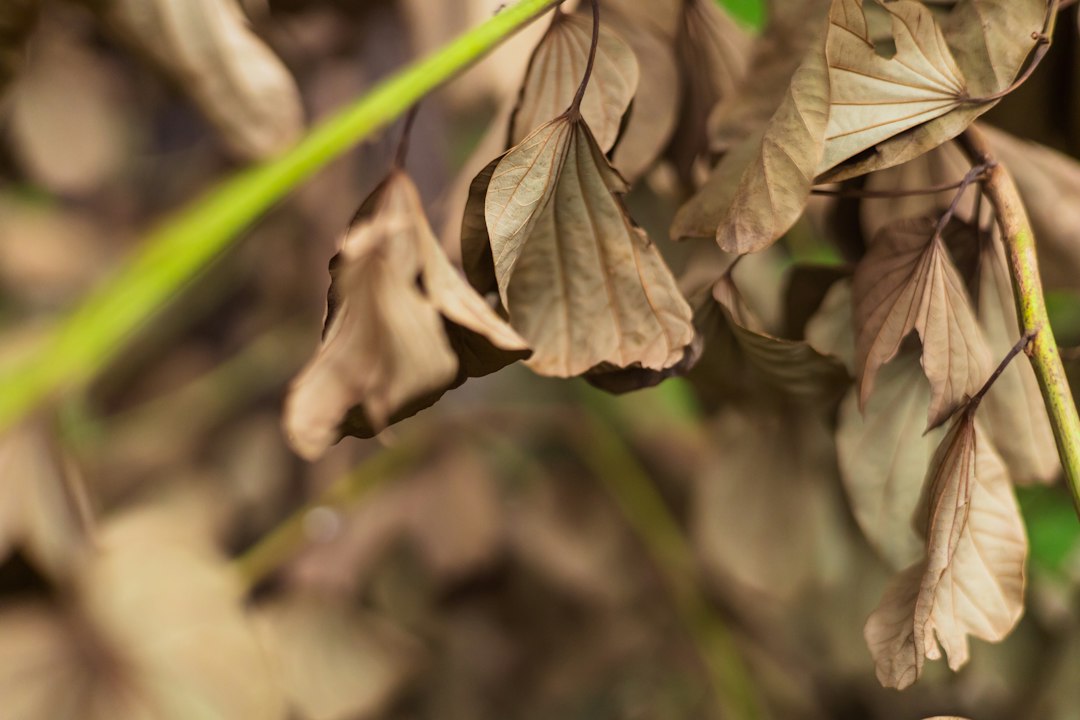
This is the classic sign. UNH Extension describes low-humidity damage as foliage that is dry, brown and brittle around the leaf margins. Nebraska Extension educator Sarah Browning also calls drying and browning around leaf edges or tips a common symptom of low humidity. The browning usually feels papery and dry rather than soft or mushy.
2. Damage that gets worse in winter
Indoor air is often at its driest when heating systems are running. If your plants looked fine all summer and started browning at the edges a few weeks after the heat came on, dry air moves higher on your suspect list. Winter also changes how much water your plants use, so check the soil at the same time rather than watering on autopilot.
3. Edges curling or new leaves opening crisp
Some thin-leaved plants respond to dry air by curling their leaf edges or pushing out new leaves that already have dry tips. Curling has several possible causes, including light, heat and pests, so treat it as a clue rather than proof.
4. The damage is on a plant known to like humidity
A tropical plant with thin, delicate leaves and crispy edges is a much stronger humidity signal than a thick-leaved ZZ plant with a single brown tip. Thin leaves generally lose water faster than thick, waxy ones.
5. Several plants in the same spot show it at once
One plant with brown tips could be anything. Three plants in the same room, all browning at the edges at the same time, points toward something they share, and the air is the most obvious shared factor.
Rule Out the Lookalikes First
This is the step that saves beginners from buying equipment they do not need. The Iowa State University Extension Yard and Garden answer on brown leaf tips, by consumer horticulture specialist Aaron Steil and updated February 3, 2026 (read September 25, 2026), lists low humidity as the most likely cause. It also names three other causes that look very similar:
- Inconsistent watering. Letting a plant dry out too long between waterings can brown the tips and edges. Check the soil before blaming the air. If you are unsure which way you are erring, our guide to overwatered vs. underwatered plants walks through the differences.
- Too much fertilizer. Excess fertilizer can build up salts in the soil and burn the tips. Our guide to fertilizer burn on houseplants explains how to confirm and flush it.
- Water quality. Iowa State notes that too much chlorine and other chemicals such as fluoride in the water can brown the tips of sensitive species. See tap water vs. filtered water for plants if you suspect this.
The same Iowa State answer adds a point worth remembering: trimming off brown portions improves the look, but new browning will return if the root cause is not fixed. So trimming is cosmetic, not a cure.
A Quick Triage: Is It Really Humidity?
Here is the rule you can actually follow. Work through these questions in order.
| Question | If yes | If no |
|---|---|---|
| Has the soil been bone dry for long stretches, or soggy for days? | Fix watering first, then watch new growth | Keep going |
| Have you fertilized often or heavily in recent months? | Suspect salt buildup; flush the soil | Keep going |
| Is the plant a tropical type with thin leaves? | Humidity is likely | Humidity is less likely |
| Did the browning start or worsen after heating came on? | Humidity is likely | Keep going |
| Are several plants in the same room browning at the edges? | Humidity is likely | Look at this plant's own care |
| Is the plant near a heating vent, radiator or air conditioner? | Humidity is very likely, and moving the plant may help | Keep going |
If you answered yes to most of the humidity questions and no to the watering and fertilizer ones, dry air is your best explanation.
Confirm It With a Reading, Not a Guess
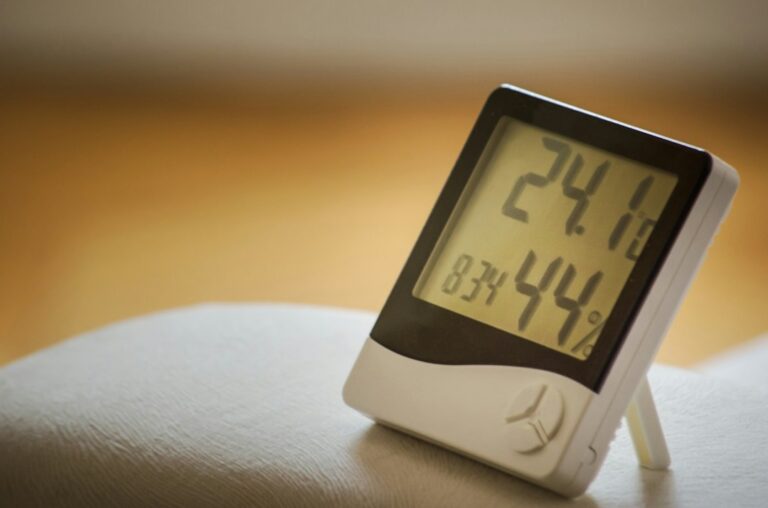
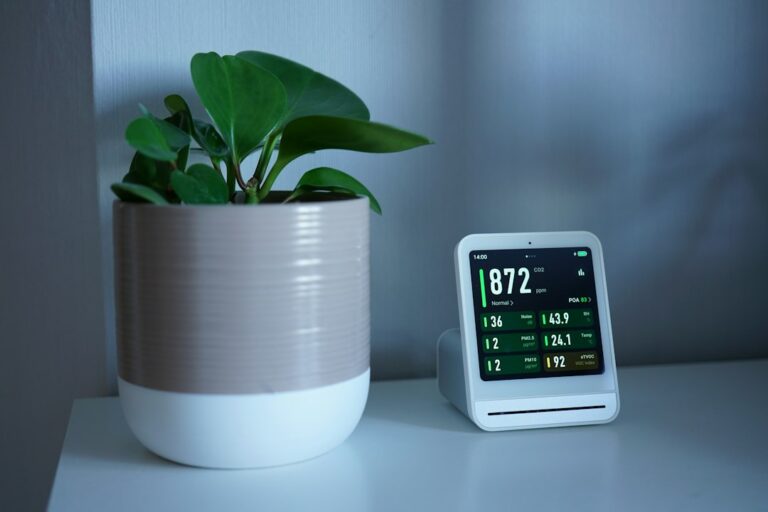
Symptoms tell you where to look. A measurement tells you whether you are right. UNH Extension recommends pairing a humidifier with a digital thermometer and hygrometer so you can see how much it is helping, and the same small device works before you buy anything.
- Place the hygrometer near your plants at leaf height, away from direct sun, vents and open water.
- Let it settle until the reading stops changing, then note the number.
- Check at different times of day, because humidity often shifts with heating and cooking.
- Compare the readings with the range UNH gives for most houseplants and for tropical species.
If your readings sit well below that range and the triage above pointed at humidity, you have a confirmed cause. If your readings look reasonable, go back and look harder at watering, fertilizer and water quality. Remember that inexpensive hygrometers are not perfectly precise, so look for a consistent pattern rather than a single number.
What to Do Once You Know
The fix should match how dry your air is and how fussy your plants are. Nebraska Extension and UNH Extension both describe these options:
- Move the plant away from heat sources. This is free and often the fastest improvement.
- Group plants together. Nebraska Extension notes that grouped plants create a small pocket of slightly higher humidity.
- Use a pebble tray under grouped plants. UNH says trays work best with several plants in a small room with low airflow. Keep the pot above the waterline.
- Try a cloche or terrarium for small, very fussy plants. Enclosed glass traps moisture around the plant, though UNH notes it needs occasional ventilation.
- Use a humidifier close to the plants. UNH calls this the option that offers the most benefit.
One thing not to rely on: misting. Nebraska Extension explains that you would need to mist every few minutes to make a real difference, and continually wet leaves can encourage disease.
What Recovery Looks Like
Brown tips do not turn green again. Once leaf tissue has died, it stays brown. What you are watching for is the new growth. If the next few leaves open cleanly without crispy edges, your fix is working. You can trim the old brown tips with clean scissors for appearance, following the natural shape of the leaf.
If new leaves keep browning even after you have raised humidity and confirmed it with your hygrometer, revisit the other causes above one at a time. Change one thing, wait for the next new leaf, and judge from that. Changing everything at once leaves you with no idea what actually worked.
FAQ
What are the first signs plant needs more humidity?
The first sign is usually dry, brown, brittle tips and leaf edges, often appearing on thin-leaved tropical plants and often worse in winter. Curling edges and new leaves opening with crisp tips can also point to dry air.
Can brown tips be caused by something other than humidity?
Yes. Iowa State University Extension lists inconsistent watering, too much fertilizer and water quality issues such as chlorine or fluoride as other common causes. Rule these out before assuming dry air is the problem.
How do I check the humidity around my plants?
Use a digital hygrometer placed near the plants at leaf height, away from vents and direct sun. Let the reading settle and check at different times of day. Compare your readings with the ranges published by extension services.
Will brown leaf tips recover once I raise humidity?
No. Brown tissue is dead and will not turn green again. Watch the new leaves instead. If they come in clean, your fix is working. You can trim old brown tips for appearance.
Does misting help a plant that needs more humidity?
Not much. Nebraska Extension notes that misting would need to be repeated every few minutes to make a meaningful difference, and continually wet leaves can encourage disease. Grouping plants, a pebble tray or a humidifier are more reliable.