Plant Propagation for Beginners: More Plants for Free
Plant propagation for beginners comes down to one idea: take a healthy piece of a plant you already own and give it the conditions to grow its own roots. For most common houseplants, that means a stem cutting with at least one node (the small bump where a leaf meets the stem), rooted in water or moist potting mix, in bright indirect light. Plants that grow in clumps can simply be divided, and plants that make babies can have those babies potted up. You need clean scissors, a jar or small pot, and patience. Roots can take days, weeks or sometimes months.
This guide is the starting point. It explains the main methods, shows you how to choose the right one for the plant in front of you, and walks you through your first stem cutting from start to finish.
What Propagation Actually Means
Propagation is making a new plant from part of an existing one. Illinois Extension horticulture educator Brittnay Haag, in a beginner's guide published February 24, 2025 (read September 25, 2026), describes cuttings as stems, leaves or roots removed from a parent plant to root and form new plants. She also calls division, removing naturally produced offsets or shoots from the parent, the easiest method of all.
The reason this works is that many houseplants can grow new roots from their stems or leaves when given moisture, warmth and light. The new plant is a genetic copy of the parent, so it will look and behave the same way.
The reason it is free is just as simple. You are not buying a new plant. You are using growth your plant has already made, often growth you would have trimmed off anyway.
The Four Beginner Methods
Stem cuttings
This is the method most people mean when they say "propagation." You cut a piece of stem that includes one or more nodes and root it in water or soil. Illinois Extension notes that most houseplants can be propagated by tip cuttings, naming pothos and philodendron among them. Vining plants are usually the easiest place to start.
Division
Some plants grow as a clump of several stems or crowns sharing one pot. You take the plant out of its pot and gently separate the clump into sections, each with its own roots and leaves. The University of Nevada, Reno Extension lists cast iron plant, spider plant and peace lily as plants suited to division.
Offsets and plantlets
Some plants do the hard work for you by producing small baby plants. Spider plants send out plantlets on long stems, and many succulents produce small offsets at their base. Once a baby has roots of its own, or can be rooted, it becomes an independent plant.
Leaf cuttings
A few plants can grow a whole new plant from a single leaf. Illinois Extension names begonias and African violets as plants commonly propagated this way, and many fleshy succulents can do it too. It is slower, and it only works for certain species, so it is not the best first project for most beginners.
Which Method Should You Use? Look at What Your Plant Is Already Doing
Here is the rule you can actually follow. Instead of memorizing a list of plants and methods, look at the plant in front of you and match what it is already doing.
| Plant clue or confirmed method | Method to try | Examples |
|---|---|---|
| Long trailing or climbing stems with visible nodes | Stem cutting | Pothos, philodendron, tradescantia |
| Several stems or crowns coming up from the soil in a cluster | Division | Peace lily, cast iron plant |
| Baby plants dangling on runners or sitting at the base | Pot up the plantlet or offset | Spider plant, many succulents |
| A whole leaf on a species known to produce new shoots from leaf cuttings | Leaf cutting | Ghost plant (Graptopetalum), moonstones (Pachyphytum) |
| Healthy African violet leaf with its stalk | Leaf-petiole cutting | African violet |
Leaf cuttings are species-specific. Check a species-by-species propagation guide before removing leaves: a leaf can form roots without making new shoots. African violet uses a leaf with its stalk, called a petiole.
If your plant shows more than one of these, choose the one that looks easiest. A pothos with long vines is a stem cutting job. A spider plant covered in babies is a plantlet job, even though you could also divide it.
How to Take Your First Stem Cutting
If you are new to this, start with a stem cutting from an easy vining plant. Our pothos care guide covers the parent plant itself, and a healthy parent gives you the best cuttings.
- Clean your tools. Illinois Extension advises using sterilized tools and containers in a clean space. Wiping scissor blades with rubbing alcohol is a simple way to do this.
- Find the nodes. University of Vermont Extension Master Gardener Deborah J. Benoit, in a guide published December 7, 2022 (read September 25, 2026), defines a node as the bump where the leaf meets the stem. For this vining stem-cutting method, include at least one node where new roots can develop.
- Cut the right length. The same UVM guide recommends a 3 to 6 inch cutting from the tip of a healthy stem, including several leaf nodes.
- Cut just below a node. A clean cut just below the node gives you a short stub with the node near the bottom of the cutting, where it will sit in water or soil.
- Remove the lowest leaves. UVM advises removing the leaves from the bottom one or two nodes, so no leaves sit underwater or buried in soil.
- Take a few cuttings, not one. Illinois Extension suggests taking multiple cuttings to improve your chances. Not every cutting will root, and that is normal.
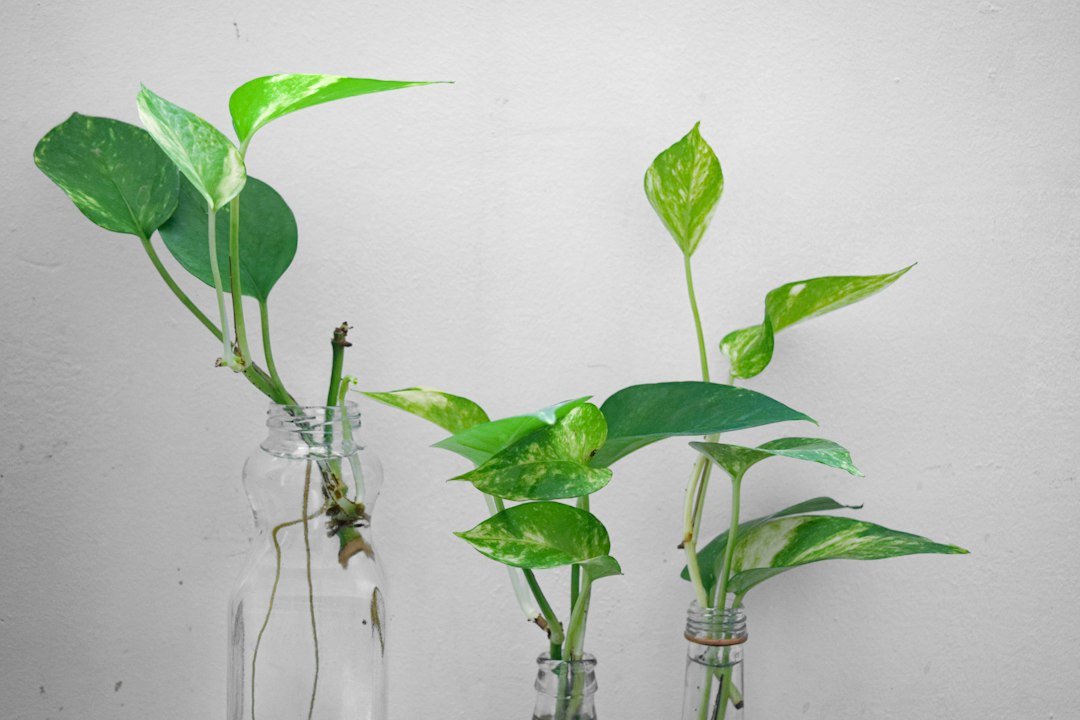
- Set the cutting in water or mix. Put at least one bare node below the waterline in a clean jar, keeping every leaf above water. Or insert a bare node into premoistened, well-draining rooting mix in a pot with drainage holes; keep leaves above the mix.
- Check it while it roots. Keep the cutting in bright, indirect light. Refresh jar water as described below, or check the rooting mix regularly and moisten it when it begins to dry.
Water or Soil: Where to Root It
Both work. The best choice depends on the plant and on what you find easier to manage.
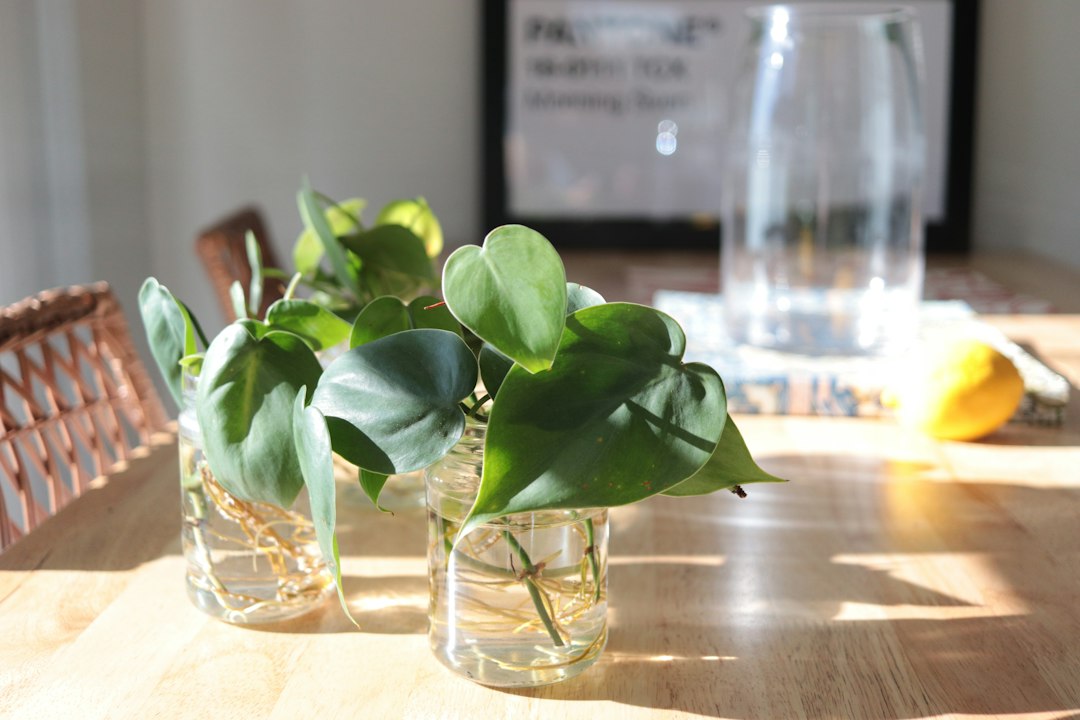
Rooting in water is the most beginner-friendly way to start with vining plants, because you can watch the roots form. UVM lists pothos, English ivy, inch plant and holiday cactus among plants that root easily in water. Illinois Extension recommends changing the water every 3 to 5 days, and UVM says to replace it with fresh, room-temperature water if it turns cloudy.
Rooting in soil skips the later move from water to soil. UVM suggests moistened potting mix in a pot with drainage holes, with the pot covered by a large inverted jar, plastic bag or humidity dome to hold in moisture. Illinois Extension also recommends covering cuttings with clear plastic to raise humidity. For the potting mix itself, our guide to the best soil for indoor plants explains what to look for on the bag.
Rooting hormone is optional for most easy houseplants. UVM describes it as optional, and Illinois Extension says it can improve root development. If you have some, follow the package directions. If you do not, an easy plant like pothos does not need it.
Where to Put Your Cuttings
Cuttings do best in bright, indirect light. UVM recommends indirect light for water cuttings, and Iowa State University Extension's stem cutting guide calls for bright indirect light and a warm room. Avoid hot direct sun, which can cook a cutting that has no roots to replace lost water, and avoid cold windowsills and drafts.
How Long Does It Take?
This is where beginners give up too early. UVM notes that roots can take days or weeks, sometimes months, to form, depending on the type of plant, the amount of light and the method you choose. Iowa State Extension says most houseplant stem cuttings form roots in 3 to 6 weeks.
For most houseplants, Iowa State University Extension recommends early spring through summer, when the parent plant is actively growing. You can propagate indoors at other times, but low winter light may slow rooting; calendar months vary by location.
A cutting that stays green and firm is still alive and working, even if you see nothing happening. A cutting that turns soft, brown and mushy at the base is rotting, and that is a different problem from slow rooting.
Moving Rooted Cuttings Into Pots
For a water-rooted stem cutting, Iowa State University Extension recommends potting it when the roots are about 1 inch (2.5 cm) long. Other plants and methods can need a different signal, so check the species before potting. Choose a small pot rather than a large one, because a small root system in a big pot of wet soil is an easy way to cause rot. Our guide to what size pot to use when repotting explains the reasoning.
Expect a short adjustment period after potting. A new plant may droop slightly for a few days as it settles. Keep the soil lightly moist, not soggy, and keep it in bright indirect light while it adjusts.
Common Beginner Mistakes
- Missing the node on a vining stem cutting. For pothos and similar vines, keep at least one node on the cutting and put that node in water or rooting mix.
- Leaving leaves under the water or soil. Submerged leaves rot and foul the water.
- Never changing the water. Cloudy water is a sign it needs changing.
- Putting cuttings in hot direct sun. Bright and indirect is the goal.
- Giving up too soon. Rooting times vary widely between plants and seasons.
- Taking only one cutting. A few cuttings give you a much better chance of success.
Where to Go Next
Once you have rooted your first cutting, you have learned the core skill. From here, each plant has its own small quirks, but the basics stay the same: a healthy piece, a node, moisture, light and time. If you are still building confidence with the parent plants themselves, our indoor plant care for beginners guide covers the everyday routine that keeps them healthy enough to share.
FAQ
What is the easiest plant propagation for beginners?
Stem cuttings from vining plants such as pothos are among the easiest. University of Vermont Extension lists pothos among plants that root easily in water, so you can watch the roots form. Division of clumping plants is also very simple, and Illinois Extension calls it the easiest method.
Do I need rooting hormone to propagate houseplants?
Usually not for easy houseplants. University of Vermont Extension describes rooting hormone as optional. Illinois Extension notes it can improve root development, so it may help with harder plants, but pothos and similar vines root without it.
What is a node on a plant?
A node is where a leaf or bud attaches to a stem. For a beginner pothos stem cutting, keep at least one node on the cutting and place it in water or rooting mix. Leaf cuttings are a different method and work only for certain species.
How often should I change the water for cuttings?
Illinois Extension recommends changing the water every 3 to 5 days. University of Vermont Extension adds that you should replace it with fresh, room-temperature water whenever it turns cloudy.
When is the best time to propagate houseplants?
Early spring through summer, while the plant is actively growing, is generally easiest for most houseplants. Other times can work indoors, but low winter light may slow rooting. Follow your local seasons rather than fixed calendar months.